

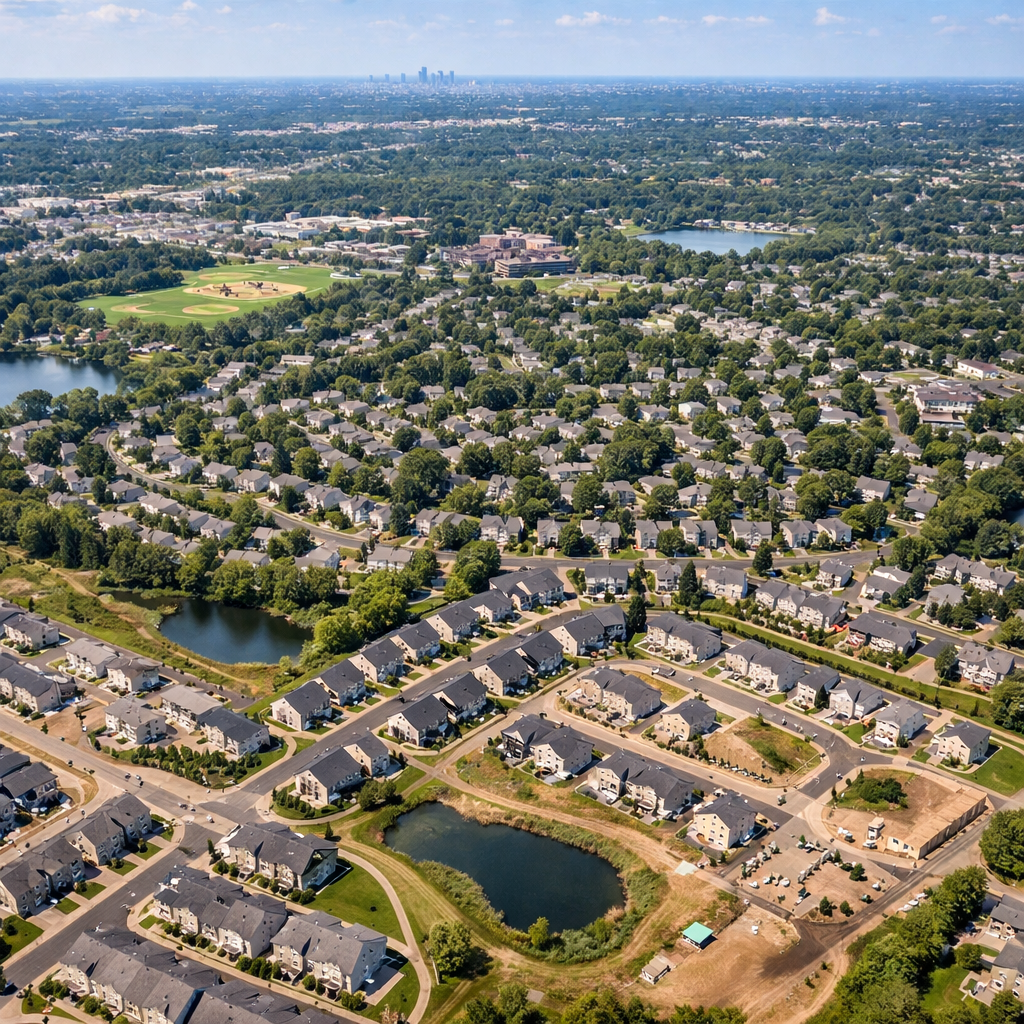
New Hope, Minnesota, continues to experience shifts in its housing market, reflecting broader regional trends and local developments. This article provides an overview of current market conditions, rental dynamics, and affordable housing initiatives in our community.
Housing Market Trends
As of March 2026, the median sale price for homes in New Hope was $339,925, marking a 2.9% decrease compared to the previous year. Homes are spending an average of 23 days on the market, up from 16 days last year, indicating a slight cooling in market activity. Notably, the number of homes sold in March increased to 20, up from 13 in the same month last year, suggesting sustained buyer interest despite longer selling times.
Rental Market Dynamics
The rental market in New Hope has seen significant changes. The median rent has risen to $2,220 per month, a 61.45% increase year-over-year. This surge reflects strong demand for rental properties, potentially driven by factors such as population growth and limited housing inventory. The number of rental properties available has decreased by 44.44% over the past year, further tightening the market.
Affordable Housing Initiatives
Addressing the need for affordable housing, several developments in New Hope offer options for residents. For instance, Mhop provides six public housing units, including two accessible units, serving residents in Hennepin County. Additionally, Linden Place offers 35 low-income housing units, including four two-bedroom units, funded through Community Development Block Grants and Low-Income Housing Tax Credits. These initiatives aim to provide quality housing options for income-eligible households in our community.
Community Development
New Hope’s commitment to community development is evident in its support for diverse housing options. The city offers a mix of single-family homes, townhouses, and apartments, many of which are more affordable than those in neighboring suburbs. This diversity caters to a range of residents, from first-time homebuyers to those seeking rental properties, contributing to the city’s vibrant and inclusive community fabric.
Understanding these trends is crucial for residents and prospective buyers or renters navigating New Hope’s housing landscape. Staying informed about market conditions and available resources can aid in making well-informed housing decisions.