
As we navigate the complexities of the current U.S. political and economic landscape, several key developments have emerged that warrant attention.
Political Developments
Redistricting Efforts
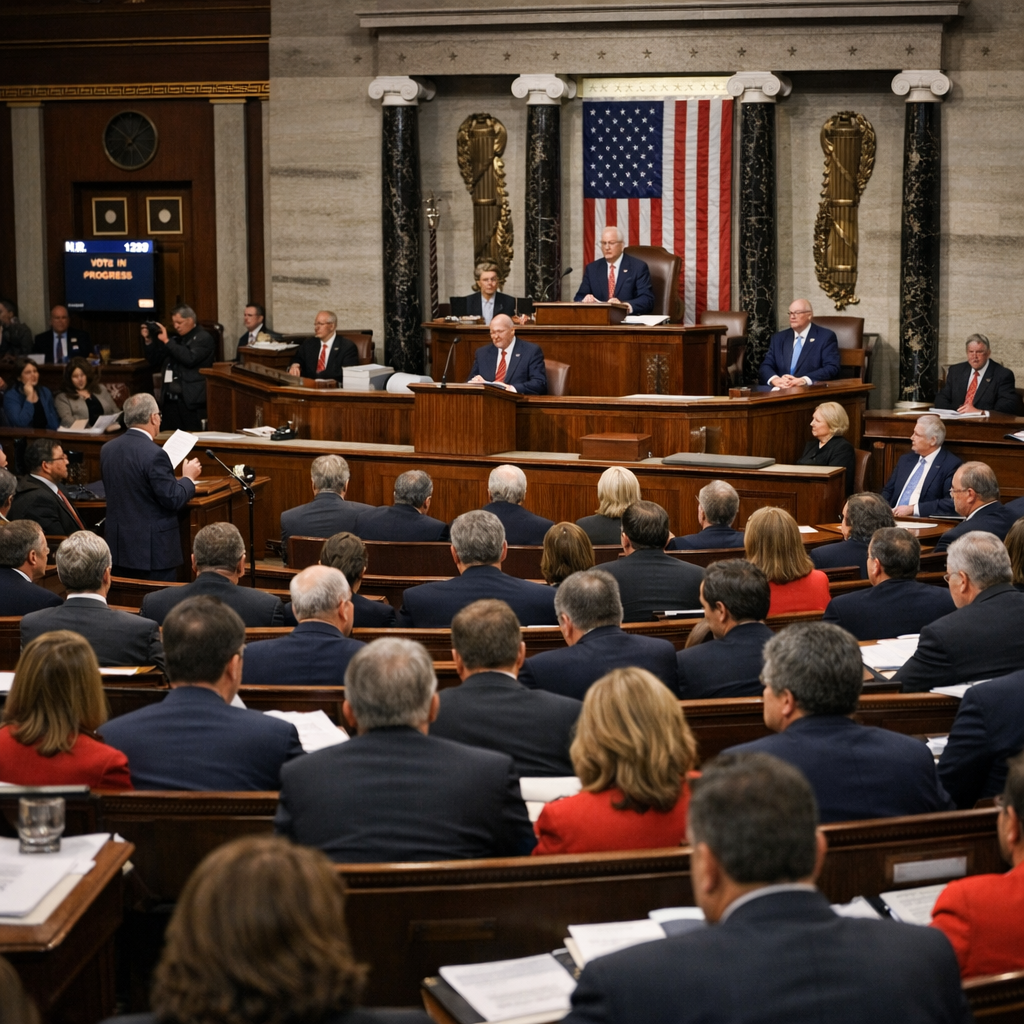
Recent redistricting initiatives have significantly altered the political map across various states. For instance, in North Carolina’s Triangle region, a new Republican-leaning congressional district was established, consolidating GOP control despite the state’s near 50-50 voting patterns. This move reflects a broader trend of strategic redistricting efforts nationwide.
Public Sentiment on Governance
A Gallup poll indicates that approximately one-third of Americans view politics and government as the nation’s most pressing issues. This level of concern is notably higher than in most other wealthy democracies, underscoring the unique challenges facing the U.S. political system.
Economic Developments
Economic Growth and Challenges
The U.S. economy has shown signs of growth, with the International Monetary Fund projecting a 2.4% increase in GDP for the fourth quarter of 2026. However, rising federal budget debts pose potential stability risks, highlighting the need for balanced fiscal policies.
Impact of Tariffs
President Donald Trump’s administration has implemented extensive tariffs affecting numerous trade partners. The Supreme Court’s recent ruling striking down the broadest of these measures has introduced new uncertainties for consumers and businesses alike.
Looking Ahead
As the nation approaches the 2026 midterm elections, the interplay between political strategies and economic policies will be crucial. Voters are likely to focus on issues such as redistricting outcomes, economic growth, and the effectiveness of governance in addressing their concerns.
Staying informed about these developments is essential for understanding their potential impact on both the national and local levels.