

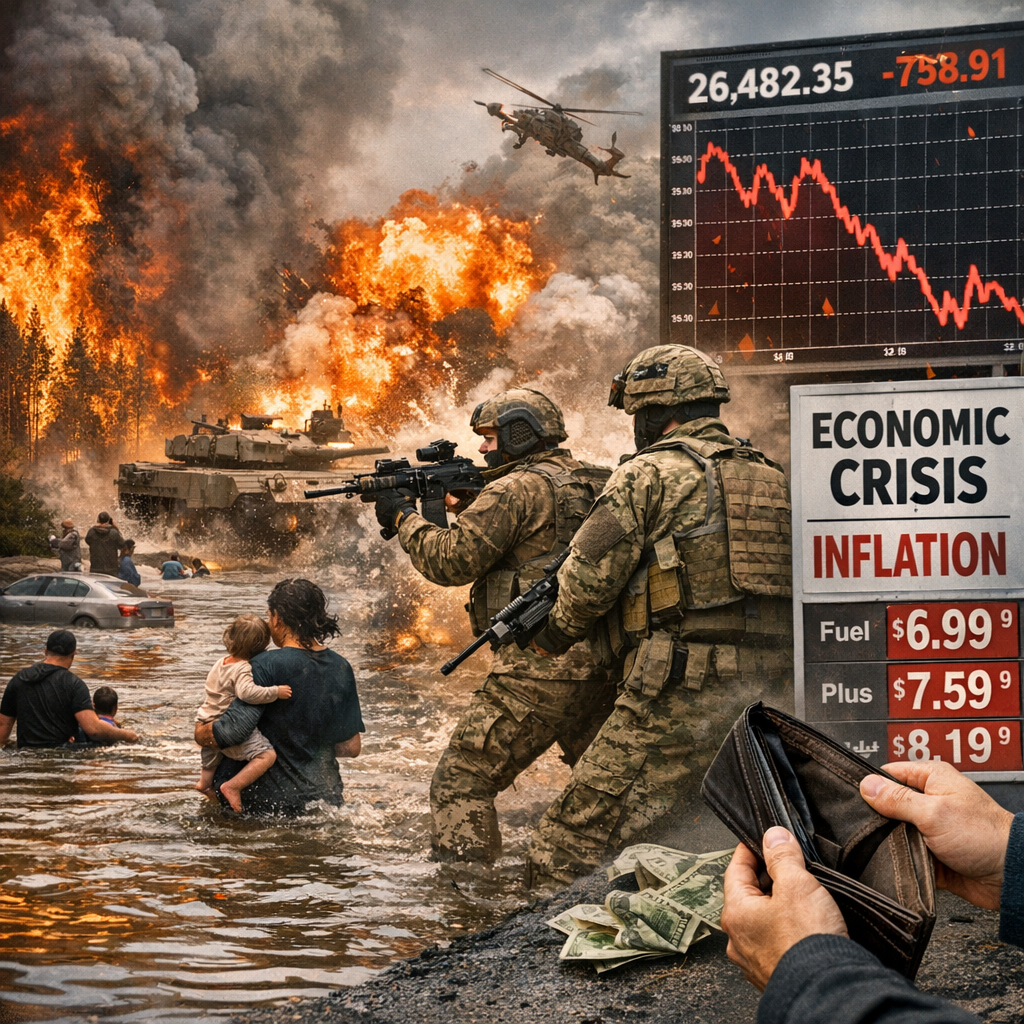
In recent years, the world has entered what experts term an ‘Era of Polycrisis,’ characterized by multiple, simultaneous global challenges that are interconnected and mutually exacerbating. This complex landscape demands a nuanced understanding of how these crises interact and influence each other.
Geopolitical Instability
Geopolitical tensions have intensified, with conflicts persisting in regions such as Eastern Europe and the Middle East. The ongoing Russia–Ukraine war, now in its fourth year, continues to disrupt global security and economic stability. Similarly, the Israel–Gaza conflict remains unresolved, contributing to regional volatility.
Economic Disruptions
Economic challenges are mounting, with inflation concerns, energy uncertainties, and trade tensions affecting nations worldwide. The United States’ implementation of new tariff policies has had profound impacts on the global economy, influencing international trade dynamics and supply chains.
Climate Change Pressures
Climate change continues to pose significant risks, with scientists warning that recent years could become some of the most environmentally extreme on record. Heatwaves, wildfires, and concerns over phenomena like El Niño are intensifying globally, necessitating urgent climate adaptation and mitigation efforts.
Technological Transformations
Rapid advancements in artificial intelligence (AI) are transforming various sectors, including finance, healthcare, and education. While AI offers numerous benefits, it also raises concerns about misinformation, labor displacement, and the need for robust regulatory frameworks to ensure ethical use.
Public Health Emergencies
Public health remains a critical concern, with outbreaks such as Ebola in parts of Africa prompting the World Health Organization to declare emergencies of international concern. These health crises underscore the importance of global cooperation and preparedness in addressing infectious diseases.
Conclusion
The Era of Polycrisis presents a complex web of challenges that are deeply interconnected. Addressing these issues requires coordinated global efforts, innovative solutions, and a commitment to understanding the multifaceted nature of contemporary global crises.